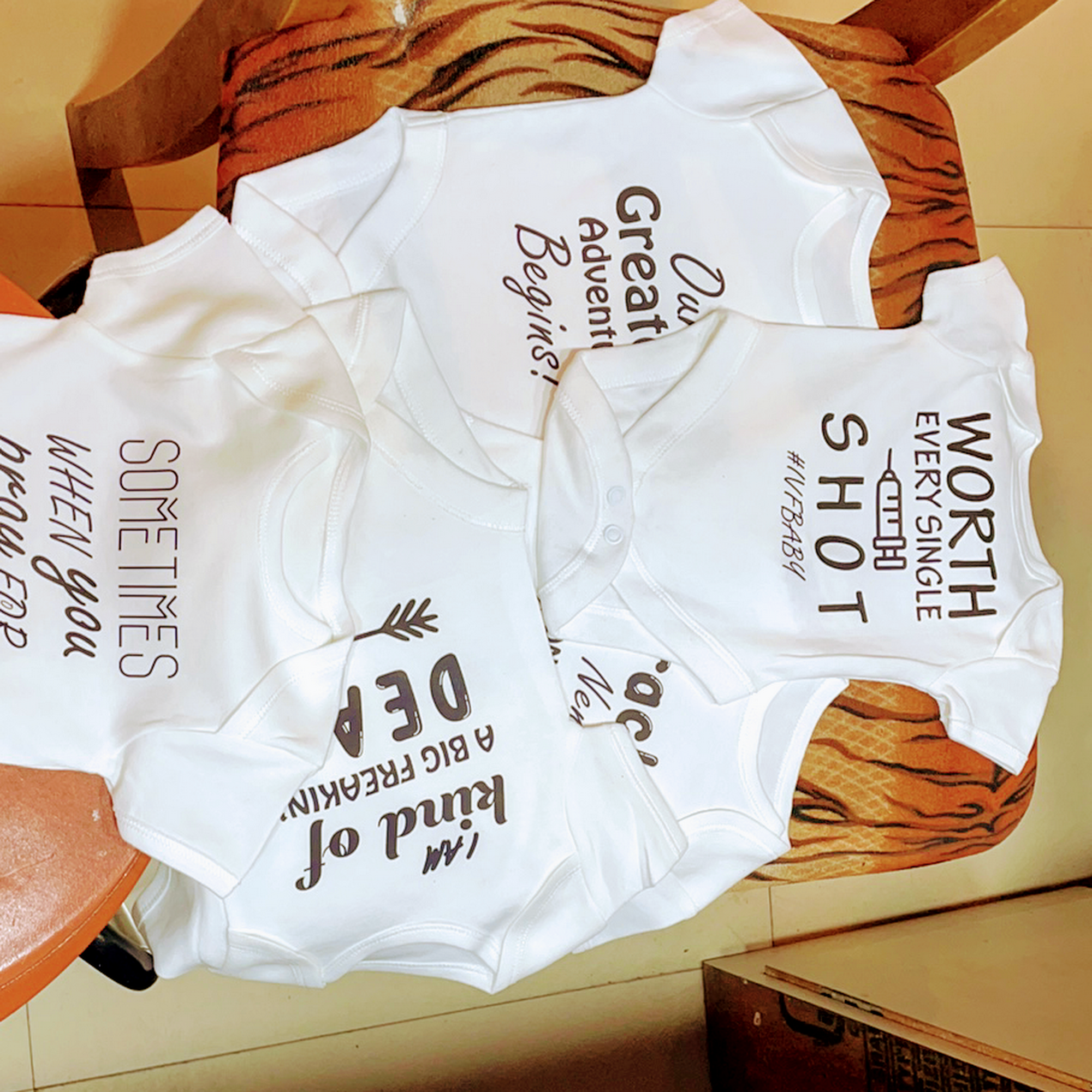
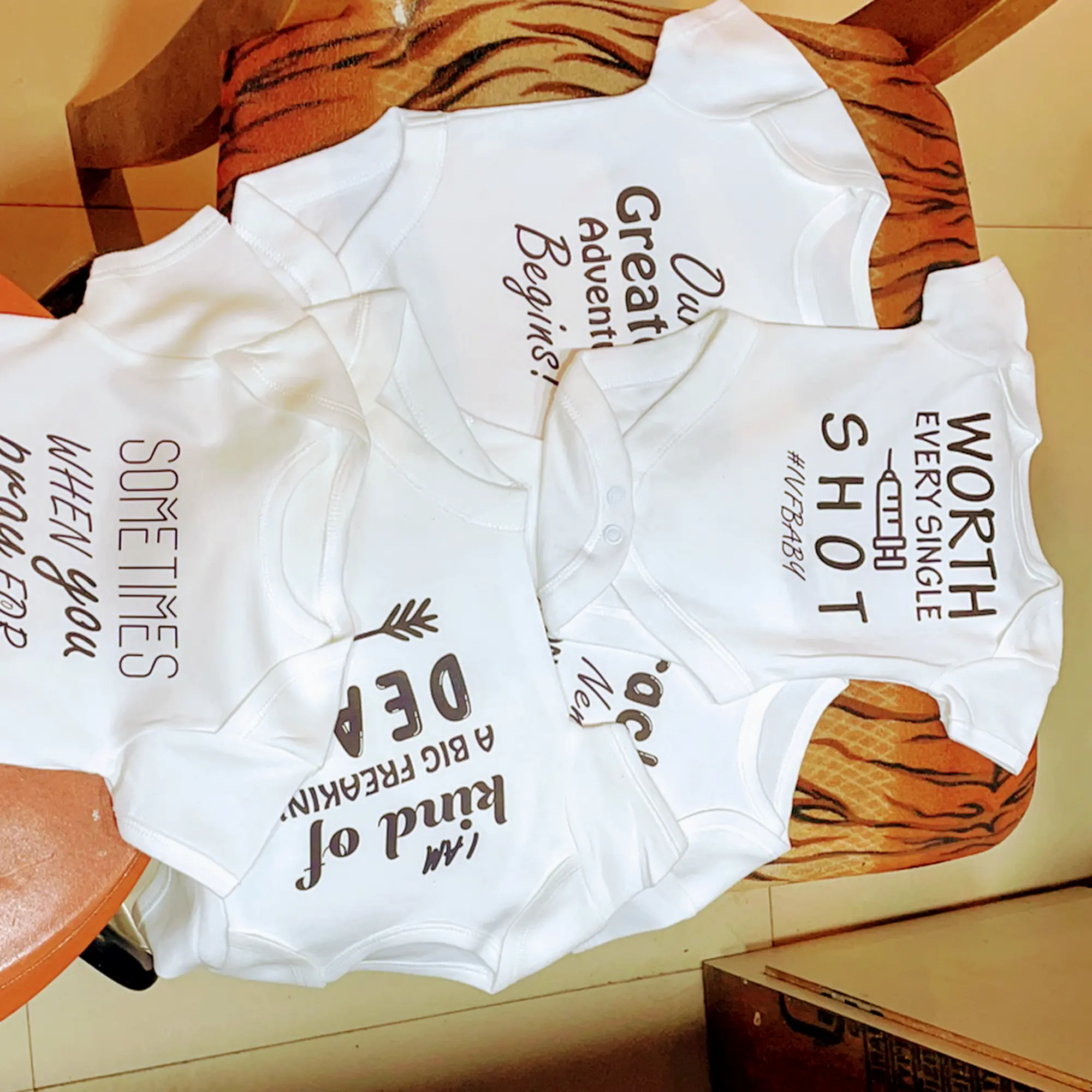
DTF (Direct-to-Film) printing is the t-shirt-printing technique that has quietly become the default at every modern print shop in India over the last three years — including ours. If you have ordered a custom tee anywhere in Navi Mumbai recently, there is a very good chance it was printed with DTF, whether you knew it or not.
The reason is simple: DTF prints on cotton, polyester, blends, nylon, leather, denim and canvas with the same machine, the same workflow and the same vibrant colour profile. No pre-treatment, no separate inks, no surface restrictions. For a print shop running 50+ different fabric orders a week, that flexibility is the difference between a profitable day and a chaotic one.
How DTF Printing Works
The process has four stages: print, powder, cure, press. Each step matters and each one is what we have spent the last three years refining in-house.
Step 1 — Design Preparation
The artwork is set up in RIP (Raster Image Processor) software which separates the design into CMYK layers plus a white underbase channel. White ink is the backbone of DTF — it is printed as a flood coat beneath the colour layers so that prints on dark fabrics remain vibrant. The RIP also controls ink limits to prevent pooling on the film, which is especially important in high-humidity months.
Step 2 — Print on Film
The design prints onto a 75–120 micron PET (polyethylene terephthalate) film in mirror orientation — first the CMYK colour layers, then the white ink on top. This sequencing means when the print is flipped and heat-pressed onto the garment, the white ink ends up underneath and the colours sit on the surface where you can see them.
Step 3 — Hot-Melt Powder Application
While the ink is still wet, hot-melt adhesive powder is sprinkled evenly across the printed area. Excess powder is shaken off, leaving just the powder that has bonded to the wet ink. This adhesive is what allows the print to fuse permanently to fabric in the next step.
Step 4 — Powder Curing
The powdered film goes through a curing oven at around 160–170°C for 90–120 seconds. The adhesive melts into a glassy layer locked to the back of the ink. After cooling, the film is ready to store or press immediately.
Step 5 — Heat-Press Transfer
The cured film is placed adhesive-side down on the garment and pressed at 150–160°C for 12–15 seconds with medium pressure. The adhesive bonds to the fabric fibres and the PET film is peeled away — either hot or cold depending on the film type — leaving the print fused to the garment.
Why DTF is Our Most-Ordered Service
- Single piece or 10,000 pieces — same per-piece quality. No screen setup, no minimums.
- Works on almost any fabric. Cotton, polyester, blends, nylon, denim, canvas, leather.
- Photo-quality detail. Fine gradients, small text, complex logos — DTF handles them cleanly.
- Vibrant on dark garments. The white underbase keeps colours bright on black or navy fabric.
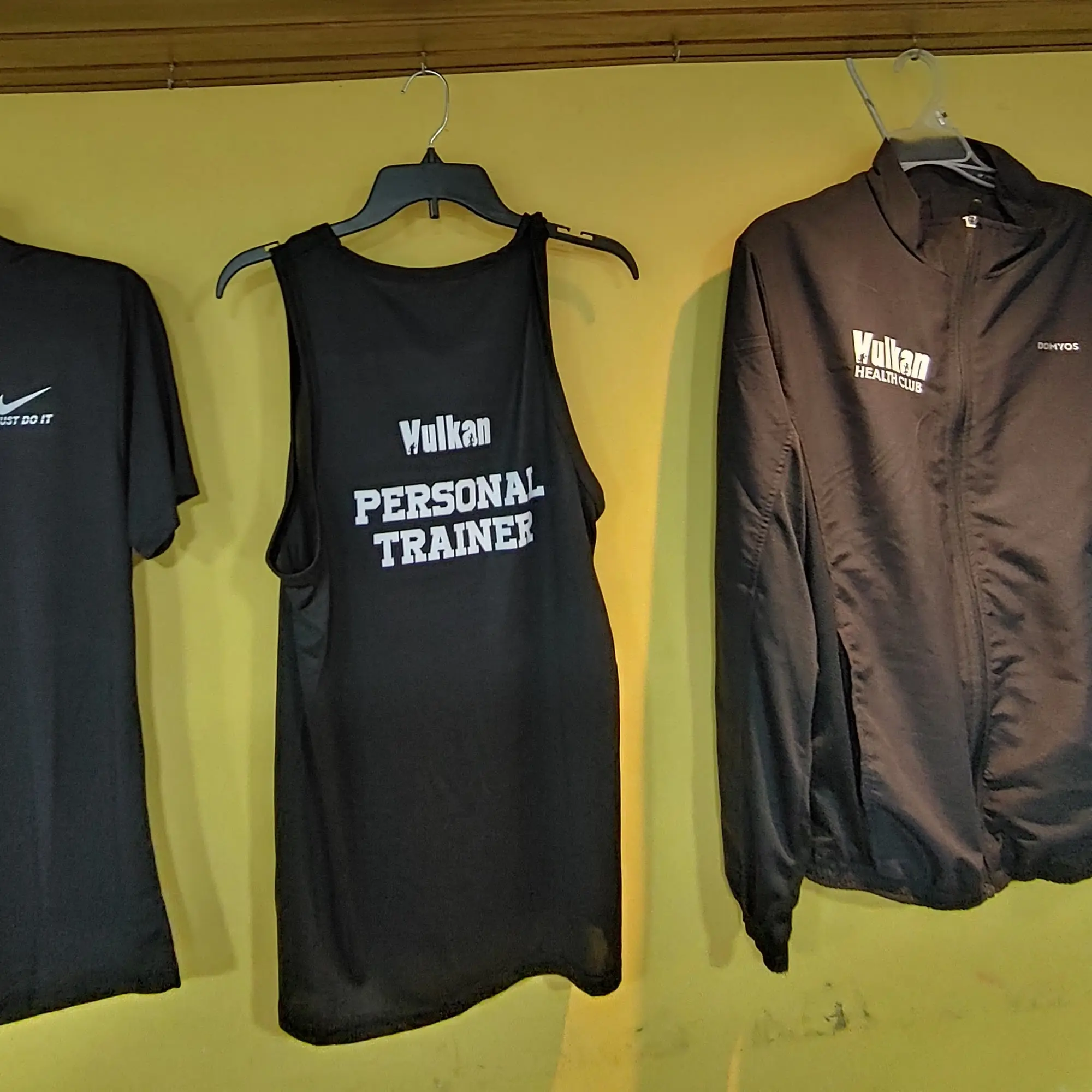
- Soft hand-feel. A well-cured DTF print is thin and flexible — nothing like the rubbery vinyl prints of a decade ago.
- Wash-durable. Our prints test cleanly through 30–40 wash cycles without cracking or fading.
DTF Pricing at Print Hungama
Print Hungama DTF starts at ₹120 per A4-area print for single pieces and drops below ₹70 per piece for runs of 100+. The garment is supplied by you or sourced through us — we keep ready stock of round-neck tees, polos and jerseys in standard sizes.
For bulk orders above 500 pieces we recommend screen printing instead — it works out cheaper per piece. For everything below that, DTF is the right call.
Lead Time
Same-day for single pieces or small batches under 20. Two days for runs of 50–200. Three to four days for 500+ pieces. Walk-ins to our Nerul studio between 10 AM and 7 PM, Mon–Sat.
Get a DTF Sample Print
The fastest way to judge any printer is to feel the print. WhatsApp us your artwork and we will print a single sample on a tee of your choice — usually delivered same-day across Navi Mumbai.